Direct costs: Emergency service call, parts markup, overtime labor
Engineering-Grade Climate Control for Baytown's Industrial Corridor
Commercial HVAC & Asset Protection
Your HVAC system isn't a line item—it's a capital asset that directly impacts your bottom line. Every hour of downtime costs money. Every preventable failure erodes your maintenance budget. Every ignored warning sign shortens equipment life.
Service Line Air & Heat approaches commercial HVAC the way you approach your business: with precision engineering, predictable costs, and zero tolerance for avoidable failures.
Get QuoteWhat Does One Day of HVAC Failure Actually Cost?
Most facility managers know the repair invoice. Few calculate the real cost.
When a 15-ton RTU fails at a Baytown warehouse in July:
A single unplanned RTU failure can easily exceed $15,000 in total operational impact—before the repair invoice arrives.
The Math That Changes the Conversation:
$15,000+ potential downtime cost vs. $1,200-2,400 annual preventative maintenance investment. That's not an expense. That's a 6:1 return on operational insurance. We don't expect you to take our word for it. We expect you to run the numbers—because facility managers who do the math become Service Line clients.
Asset Protection, Not Parts Replacement
Most commercial HVAC contractors operate on a simple model: wait for the call, replace the part, send the invoice. This reactive approach works—for them. For facility managers, it means unpredictable budgets, preventable downtime, and equipment that never reaches its design lifespan.
We Treat Your Equipment as Capital Assets:
We Engineer for Baytown's Reality:
We Speak Your
Language
Our Commitment:
We will never recommend replacement when repair makes financial sense. We will never ignore a problem to protect a maintenance contract. We will always provide the documentation you need to make informed decisions and justify spending to leadership.
Why Coastal Industrial HVAC Requires Specialized Expertise
Standard HVAC contractors treat Baytown like any other Houston suburb. It isn't. Your commercial equipment faces accelerated degradation from:
Formicary Corrosion
Microscopic copper pitting caused by organic acids in industrial air. Invisible until catastrophic refrigerant leak. Common in: petrochemical corridor, chemical manufacturing zones, coastal facilities.
Galvanic Corrosion
Dissimilar metals (aluminum fins + copper coils) create electrochemical reactions accelerated by salt-laden air. Result: coil failure years ahead of schedule.
Sulfide Attack
Hydrogen sulfide from refinery operations attacks electrical connections, creating phantom failures and nuisance trips during peak load.
Our Response
- Protective coatings on vulnerable components
- Material selection appropriate for industrial coastal environment
- Electrical connection maintenance protocol that prevents sulfide-induced failures
- Realistic lifecycle planning based on actual Baytown conditions—not manufacturer specs written for Phoenix
The Coastal Killer Effect on Commercial Equipment:
Baytown's atmospheric cocktail—salt from the Gulf, sulfur compounds from petrochemical operations—creates corrosion rates 40% higher than inland Houston. Standard commercial equipment warranties don't account for this. Your maintenance schedule shouldn't ignore it either.
Industries We Serve
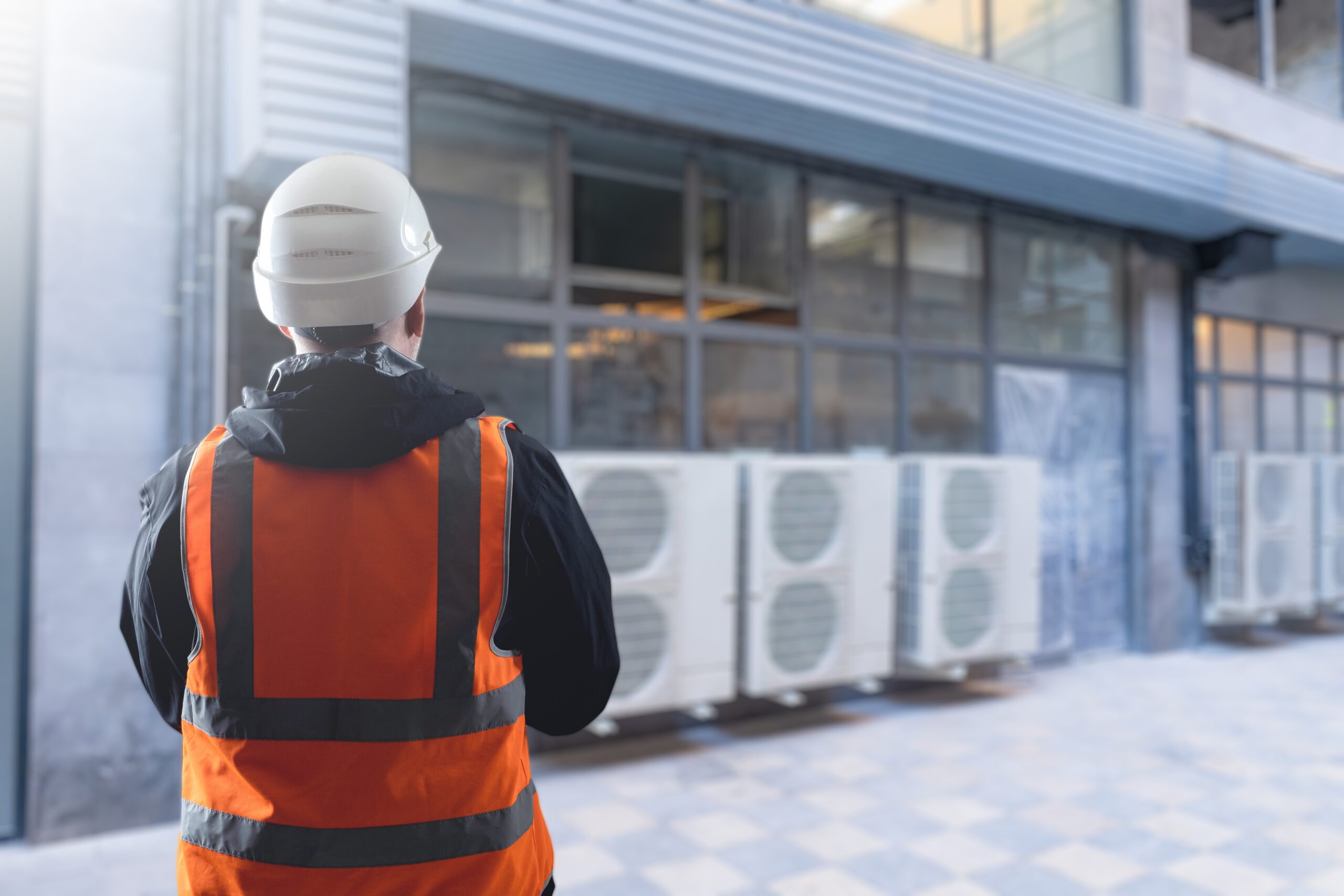
Our commercial clients share one thing: zero tolerance for HVAC-related operational disruption. Whether that means protecting inventory, maintaining production schedules, or ensuring employee comfort, the engineering approach is the same—anticipate problems before they cost money.
Not Sure If We're the Right Fit?
We're honest about our capabilities. If your facility requires specialized expertise we don't have—industrial process cooling, pharmaceutical cleanrooms, hospital critical systems—we'll tell you and recommend contractors who specialize in those areas.
Services
Every commercial HVAC challenge requires a different engineering approach. Select the service category that matches your facility's needs:
RTU Service & Replacement
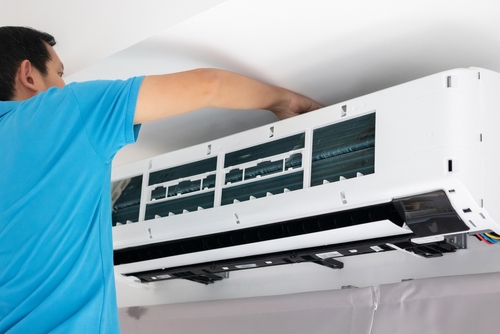
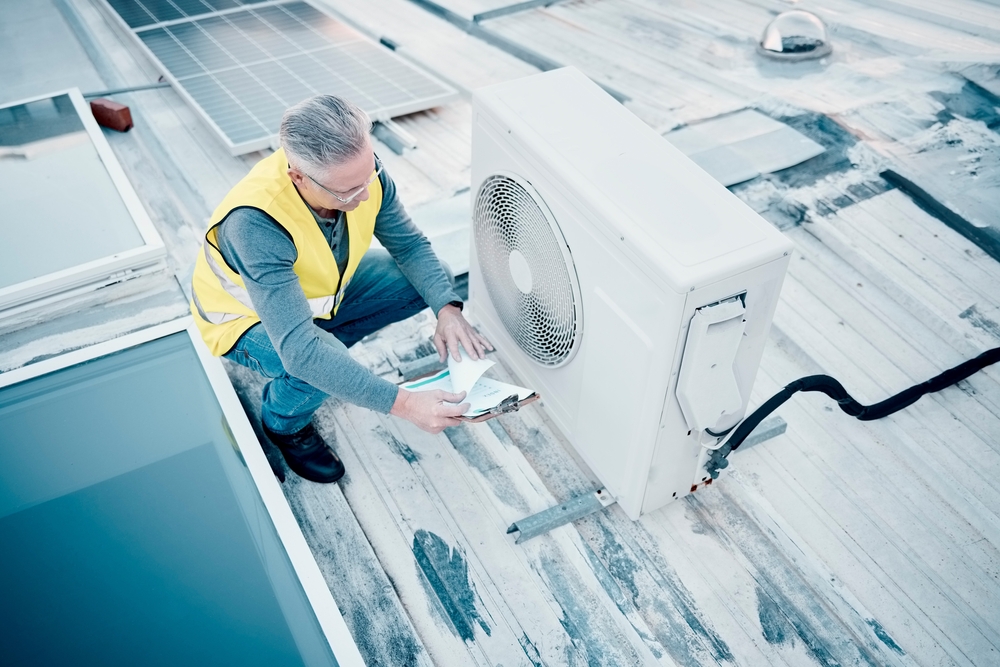
Rooftop units are the workhorses of commercial climate control—and the first casualties of Baytown's corrosive environment. From 5-ton retail units to 25-ton industrial systems, we handle the full RTU lifecycle: precision diagnostics, performance optimization, and strategic replacement planning.
Key Capabilities:
- Crane coordination and rooftop logistics for units up to 25 tons
- Coastal corrosion assessment and protective treatment
- Amp draw trending to predict failures before they happen
- Energy efficiency upgrades that actually pay back
The Business Case:
Stop budgeting for surprise failures. Our diagnostic approach identifies which units need attention now vs. which can safely run another season—so you can plan CapEx instead of scrambling for emergency OpEx.
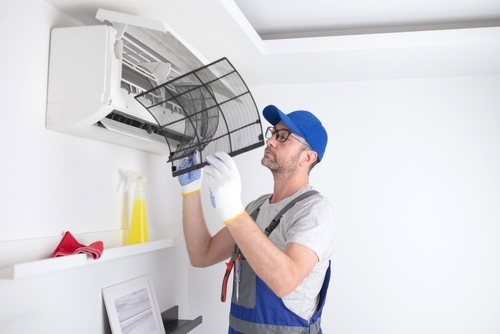
Preventative Maintenance Programs
Filter changes don't prevent failures. Engineering-grade maintenance does. Our Asset Shield Program goes beyond the checklist to address the actual failure modes that take commercial equipment offline.
Key Capabilities:
- Quarterly inspections calibrated to Baytown’s corrosion cycles
- Electrical connection tightening (prevents 60% of “phantom” failures)
- Amp draw documentation and trending analysis
- Drain line treatment (prevents biological growth and overflow damage)
- Coil cleaning with corrosion-inhibiting treatment
The Business Case:
Predictable monthly cost vs. unpredictable emergency invoices. Documented maintenance history that supports warranty claims. Equipment that lasts 15-20 years instead of 8-12.
Server Room & Critical Cooling
Your data is your business. When server room temperatures exceed 80°F, hard drives start failing. When they exceed 90°F, you're counting the minutes until catastrophic data loss. Critical infrastructure demands redundant cooling—not a single point of failure.
Key Capabilities:
- Dedicated precision cooling systems (not repurposed comfort cooling)
- Redundant configurations: N+1 or 2N based on criticality assessment
- 24/7 temperature monitoring integration
- Emergency response priority for critical infrastructure clients
The Business Case:
The cost of a properly engineered server room cooling system is a rounding error compared to the cost of data recovery—or data loss. This isn’t optional infrastructure.
Make-Up Air & Ventilation
Commercial kitchens, manufacturing facilities, and warehouse operations all share one engineering challenge: exhausting contaminated air while maintaining building pressure. Get this wrong, and doors won't close properly, odors migrate where they shouldn't, and code inspectors start asking questions.
Key Capabilities:
- Positive pressure engineering for commercial kitchens
- Industrial ventilation design and installation
- Hood exhaust balancing and make-up air coordination
- Code compliance documentation and inspection support
The Business Case:
Proper ventilation isn’t just about air quality—it’s about operational efficiency. Negative building pressure makes HVAC systems work harder, increases energy costs, and creates comfort complaints that distract from business operations.
Asked Questions
How is commercial HVAC maintenance different from residential?
Commercial systems face higher utilization rates, more complex controls, and greater operational stakes. A residential AC failure is an inconvenience; a commercial RTU failure stops business operations. Our commercial maintenance programs reflect this reality with more frequent inspections, documentation requirements, and response time guarantees.
What size commercial equipment do you service?
We handle rooftop units from 5 tons to 25 tons, including crane coordination for heavy equipment. For larger industrial installations or specialized process cooling, we can assess the project and either provide a solution or recommend specialized contractors.
How do you calculate the ROI of preventative maintenance?
We start with your actual operational costs: historical repair invoices, documented downtime incidents, and equipment replacement history. Then we project the cost trajectory under continued reactive maintenance vs. proactive asset management. Most facility managers see 3:1 to 6:1 returns when they run the numbers honestly.
What's included in your preventative maintenance programs?
Beyond standard filter changes and coil cleaning: electrical connection inspection and tightening (prevents phantom failures), amp draw measurement and trending (predicts compressor issues), drain line treatment (prevents biological growth), refrigerant charge verification, and corrosion assessment specific to Baytown’s industrial environment. Full documentation provided after every visit.
Do you offer emergency commercial service?
Yes—but our goal is to prevent emergencies through proper maintenance. Clients on our Asset Shield maintenance programs receive priority response. For facilities with critical cooling needs (server rooms, temperature-sensitive inventory), we offer enhanced response time agreements.
Why does Baytown's location matter for commercial HVAC?
Baytown sits at the intersection of Gulf Coast salt air and petrochemical industrial emissions. This atmospheric combination accelerates equipment corrosion 30-40% faster than inland locations. Standard maintenance schedules designed for other markets don’t account for this—leading to premature equipment failure and shortened lifecycles.
Let's Talk About Your Facility
Whether you're dealing with aging equipment, unpredictable maintenance costs, or planning a facility upgrade, we start every commercial relationship the same way: with an honest assessment of your current situation and a clear explanation of your options.
No pressure. No scare tactics. Just engineering expertise applied to your specific facility challenges.