
Short-Cycling: Satisfies thermostat in 8-10 minutes instead of 15-20
Physics-Based Climate Design for High-Performance Homes
New Construction Design & Engineering
For decades, HVAC contractors sized systems using simple formulas: one ton per 500 square feet. That approach worked when houses leaked air through every crack. Modern construction is different. Spray foam, high-performance windows, and air-sealed envelopes have reduced loads by 30-50%.
Physics, not rules of thumb.
Get QuoteWhy "One Ton Per 500 Square Feet" Fails Modern Homes
A 3,000 sq ft home using the old rule gets 6 tons. But a modern build with spray foam (R-38), Low-E windows (0.25 SHGC), and 2.5 ACH50 envelope? Actual calculated load: often 3.5 to 4 tons. Nearly half what "rule of thumb" suggests.
What Happens When You Oversize:
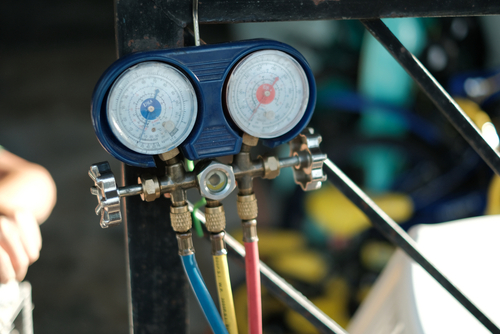
The Mold Lawsuit You Don't Want:
We've been called to investigate moisture problems in custom homes less than three years old—homes with brand-new "high efficiency" equipment. The cause: dramatically oversized systems that never run long enough to remove Baytown's humidity. The oversized system didn't fail. It worked exactly as installed. The installation was wrong from the start.
Room-by-Room Load Calculation: Where Design Begins
What Manual J Analyzes:
Our Manual J Deliverable:
The West-Facing Wall Problem:
In Baytown, afternoon sun is brutal. A room with 100 sq ft of west-facing glass experiences significantly higher cooling load between 4:00 PM and 7:00 PM than identical rooms facing other directions. Generic calculations miss this. Manual J captures it room-by-room, ensuring the master bedroom with the sunset view actually gets adequate cooling.
Duct Design: Delivering Airflow Where It's Needed
Core Principles:
- Friction Rate: How much pressure the duct system can “spend” moving air
- Velocity Limits: 700-900 FPM trunks, 600-700 branches, 600 max flex
- Fitting Losses: Every elbow and takeoff creates pressure loss
Return Air Design:
Without adequate return pathways, closing a bedroom door pressurizes the room, depressurizes living space, creates “whistling door” complaints. We design: central returns, dedicated returns, or transfer paths (jump ducts, transfer grilles) for every isolated room.
The Crushed Flex Problem:
Flex duct is convenient but unforgiving. A 10" flex duct crushed to fit through a 6" space doesn't deliver 60% of design airflow—it delivers almost nothing. We specify routing that maintains proper sizing. When constraints require compromises, we engineer solutions that preserve airflow rather than hoping it works.

Tight Envelopes Require Different Solutions
Spray foam creates dramatically tighter envelopes. Benefits: ductwork in conditioned space, reduced loads. Challenges: moisture has nowhere to go, fresh air must be mechanically provided.
The "Tight House" Air Quality Problem:
A house at 1.5 ACH50 (very tight) has minimal natural air exchange. Without mechanical ventilation, pollutants accumulate: cooking byproducts, off-gassing, CO2, humidity. Fresh air ventilation isn't optional in tight construction—it's required by code and essential for health.
Matching Equipment to Actual Loads
Manual S translates load calculations into equipment specifications. The goal: select equipment matching calculated load as closely as possible—not equipment that "should be enough."
Equipment Selection Considerations:
For tight, modern construction in Baytown, we typically recommend two-stage or variable-speed. The ability to run longer at reduced capacity provides dramatically better humidity control.
Why Latent Capacity Matters in Baytown:
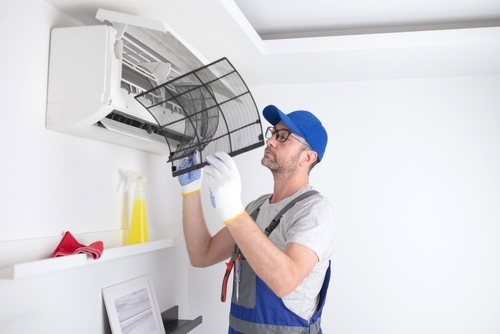
Standard specs emphasize total cooling capacity. But total capacity splits between sensible (temperature) and latent (moisture removal). In Baytown's humidity, latent capacity often drives equipment selection. A unit with adequate total but insufficient latent capacity will cool the air without controlling humidity—exactly the "cold and clammy" complaint we prevent.
Solving Collisions at the Blueprint Stage
Common Collision Points:
Trusses vs. Trunk Lines
Web members create 3-4" openings—inadequate for main trunks
LVL Beams
Cannot be field-modified—duct must route around
Plumbing Stacks
Gravity doesn't negotiate—supply runs must route around
Chase Sizing
A 12"x12" chase may need a 14" round duct
Our Coordination Process:
We overlay duct layouts on structural drawings, identifying every potential conflict before framing begins. When conflicts exist, we work with the design team to resolve them—adjusting routing, requesting chase enlargement, or specifying alternatives. Goal: zero field surprises.
Multiple Zones for Consistent Comfort
When Zoning Makes Sense:
The Sleep Schedule Example:
At 10:00 PM, the family is in upstairs bedrooms. The downstairs living room thermostat reads 72°F—satisfied. The master bedroom is 78°F—miserable. A properly designed zone system directs cooling capacity where it's needed based on actual demand, not where the thermostat happens to be located.

Asked Questions
What's included in a Manual J load calculation?
Room-by-room analysis based on your construction details: insulation, windows, orientation, tightness. Deliverable includes total loads, room CFM requirements, and latent/sensible breakdown.
How does spray foam change equipment sizing?
Reduces loads 30-50% compared to traditional insulation. A 5-ton rule-of-thumb house might only need 3-3.5 tons. But the tight envelope also requires attention to humidity and ventilation.
What's the difference between Manual J, S, and D?
Manual J calculates loads. Manual S matches equipment to loads. Manual D designs ducts to deliver airflow. All three are required for a properly engineered system.
How do you coordinate with structural engineers?
We overlay duct designs on structural drawings, identifying conflicts before construction. When we find issues, we bring them to the design team during the design phase.
When is zoning necessary?
Generally necessary for two-story homes, bonus rooms, homes over 3,000 sq ft with separated wings, and homes with significant solar exposure differences.
Let's Engineer Your HVAC System
Whether you're an architect specifying mechanical systems, a builder planning a high-performance home, or an owner concerned about comfort—send us plans. We'll review, identify issues, and explain our approach before you commit.